DETALII
Citeste mai mult
Descriere RO
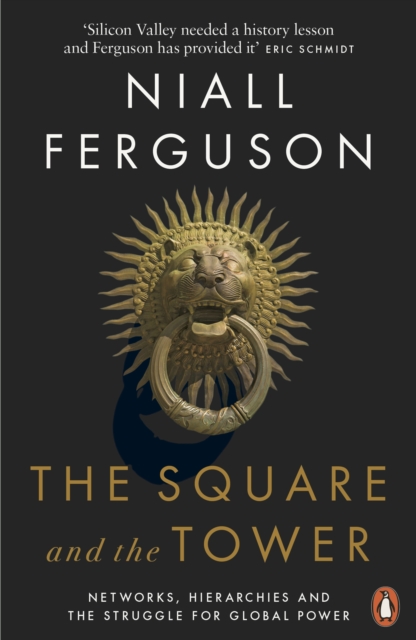
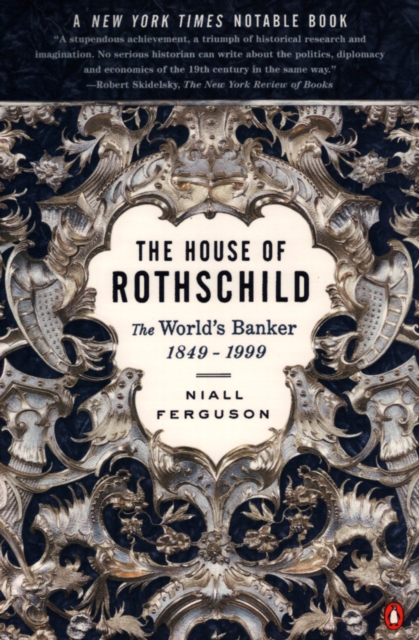
Historians love to write about rulers--kings, emperors, presidents--or about vast social forces--migration, industrialisation--but what if they are all missing the point? Thinking about our own lives, isn't it clear that what makes the world go round are families, colleagues, teams, associations: in other words, networks? Many old Italian towns have the same central structure: a large square where people gather and a tower where the town's elite ruled from. Throughout history you can express the battle between the two as a battle of networks - who knows who, who works with who: guilds, families, fellowships, clans, cabals all cooperating to make sometimes huge changes. Sometimes the power lies with those lurking in the tower and sometimes with those in the square.Access to information, to credit, to ideas, to news - all constantly shift. Whether in the Renaissance or in the present day what makes the world work is an astonishing tangle of networks - and this was as true for the effort that went into discovering the New World as it is now for fighting elections or just talking to friends online.In his enormously enjoyable new book, Niall Ferguson celebrates the myriad ways in which the battle between rival networks makes history happen.
EdituraPenguin Books Ltd
Dimensiuni155 x 232 x 38
Data Publicarii05/10/2017
Format
Numar pagini576
Aceasta este o carte in limba engleza. Descrierea cartii (tradusa din engleza cu Google Translate) este in limba romana din motive legale.
Istoricilor le place sa scrie despre conducatori - regi, imparati, presedinti - sau despre vaste forte sociale - migratie, industrializare - dar daca le lipseste tuturor? Gandindu-ne la propriile noastre vieti, nu este clar ca ceea ce face lumea sa se invarta sunt familiile, colegii, echipele, asociatiile: cu alte cuvinte, retelele?